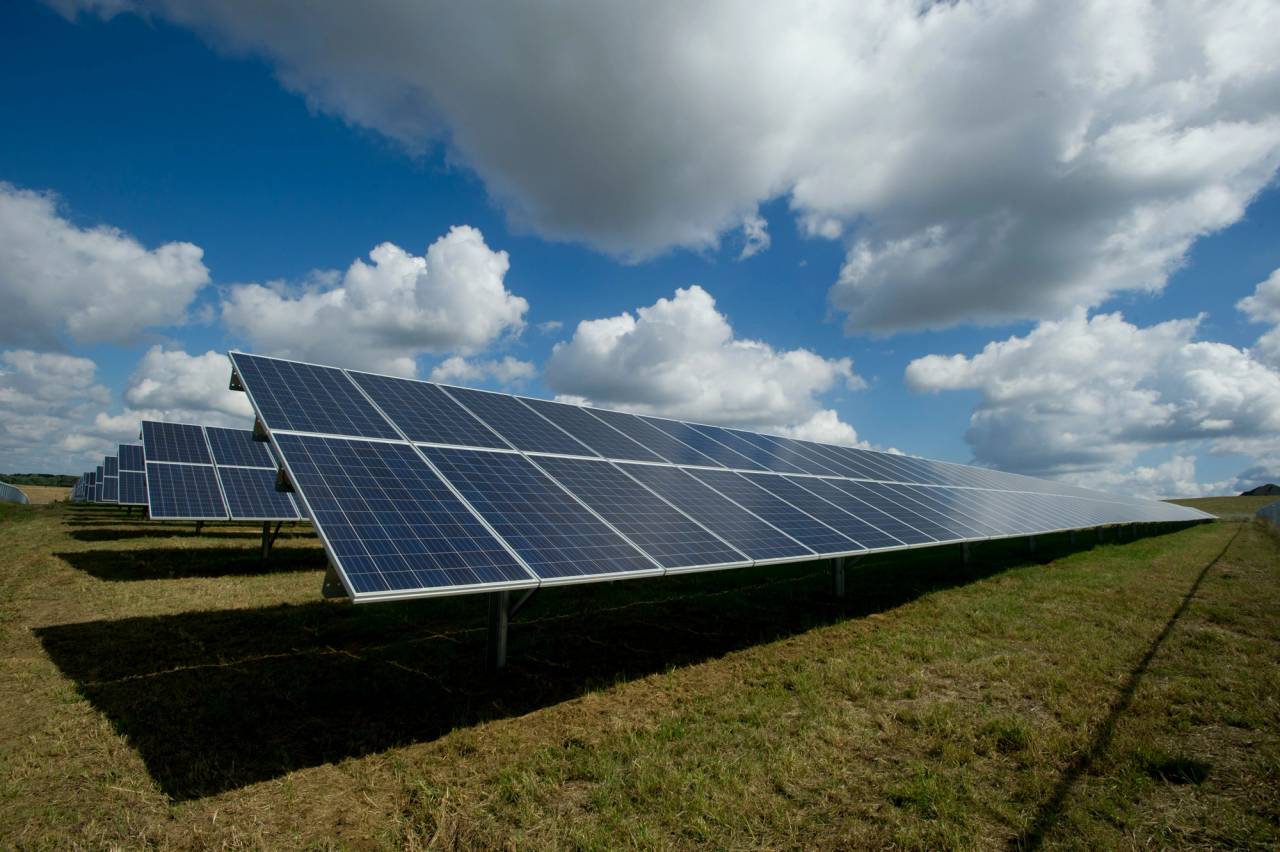
The Grid Is Changing. Your Workforce Needs to Change Faster
The energy transition is the largest industrial transformation in a century. Decarbonisation targets, grid modernisation, and volatile regulatory environments are converging to create a sector where yesterday's expertise is necessary but nowhere near sufficient. The organisations that lead will be those that systematically build adaptive capability alongside technical skill.
Why Future-Readiness Matters Here
The Green Transition at Scale
Moving from fossil fuels to renewables is not a technology problem. It is a people problem. Engineering teams must integrate wind, solar, and storage into grids designed for centralised generation. Project managers must navigate community opposition, permitting complexity, and supply chain bottlenecks that textbook project management never anticipated.
Grid Modernisation and Decentralisation
The shift from unidirectional power flow to distributed, bidirectional smart grids is fundamentally changing how energy companies operate. Teams need to manage complexity orders of magnitude beyond traditional utility operations, balancing load across millions of distributed assets in real time.
Regulatory Flux and Policy Uncertainty
Energy policy shifts with election cycles, geopolitical events, and public sentiment. Organisations cannot wait for regulatory certainty before acting. The competitive advantage goes to teams who can make sound strategic decisions under genuine ambiguity and pivot without losing momentum.
Workforce Reskilling for Renewables
An entire generation of energy professionals was trained for a carbon-based world. Reskilling at the speed the transition demands requires more than technical training. It requires people who are genuinely open to unlearning, who embrace digital tools, and who collaborate across disciplines that historically operated in isolation.
The Capabilities That Matter Most
From the 12 future-readiness capabilities we measure, these are the ones most critical for energy teams navigating what comes next.
 Dynamic Adaptability
Embracing Uncertainty
The willingness to accept, embrace, and work through situations where outcomes are unpredictable or unknown. It involves facing ambiguity, change, and risk with resilience and adaptability. Most significant workplace decisions now involve genuine ambiguity. High scorers make considered moves under uncertainty without being paralysed by the need for certainty. Low scorers may stall, escalate unnecessarily, or default to familiar approaches precisely when fresh thinking is most needed.
 Strategic Problem Solving
Purposeful Focus
The deliberate and concentrated attention directed toward a specific vision, goal, or objective. It involves maintaining a clear commitment to achieving a desired outcome while minimising distractions. Purposeful focus is characterised by goal clarity and a strategic approach to managing time and resources. High scorers prioritise ruthlessly and remain steadfast in pursuit of meaningful objectives. Low scorers spread themselves thin, reacting to whatever feels most urgent rather than what matters most.
 Strategic Problem Solving
Design Thinking
A problem-solving methodology that places strong emphasis on empathy, creativity, and iterative processes. It involves understanding the needs and perspectives of end-users, brainstorming creative solutions, and continuously refining ideas through prototyping and testing. High scorers ideate innovative and viable solutions by reframing problems from the user's perspective. Low scorers may jump to solutions without deeply understanding the problem or the people affected by it.
 Agile Collaboration
Relational Influence
The ability to impact others' thoughts, behaviours, or decisions through the power of interpersonal relationships, trust, and credibility. It combines connectedness (deep self-awareness and meaningful relationships) with the art of persuading and guiding others without formal authority. High scorers build rapport naturally, frame proposals in terms of others' interests, and create momentum through trust rather than title. Low scorers may rely on authority structures or struggle to gain traction when they cannot simply direct.
 Agile Collaboration
Digital Teamwork
The practice of collaborating and working together on tasks, projects, or goals using digital tools, technologies, and platforms. It allows individuals and teams to communicate, share information, and coordinate efforts regardless of geographical distances or time zones. With work increasingly globalised and remote, this skill is essential. High scorers use digital channels for efficient, real-time collaboration. Low scorers may struggle with virtual communication, lose context across platforms, or default to in-person habits that don't translate digitally.
 Dynamic Adaptability
Inquiring Mind
The drive to question, investigate, and understand how things actually work. Individuals with inquiring minds have an insatiable appetite for knowledge and approach problems with an open, analytical mindset. When information is everywhere, an inquiring mind separates those who accept the surface from those who find the signal. High scorers ask challenging questions that expose hidden assumptions. Low scorers may rely on established patterns without testing whether they still hold.

of energy companies report critical skills gaps in managing the transition to renewables
— World Energy Council
Future-Readiness Across Every Sector
Build the Adaptive Workforce the Energy Transition Demands
Start with your own assessment, or explore how organisations use Tomorrows Compass to build future-ready teams at scale.