
AI Can Price the Risk. It Can't Judge It.
Algorithms now price policies and triage claims in seconds, climate and cyber are rewriting what risk even means, and customers expect cover at the speed of a tap. The arithmetic is increasingly automated. The insurers that endure will be the ones whose people can judge the risk no model has seen, earn trust the moment a claim is filed, and price the future when the past stops being a guide.
Why Future-Readiness Matters Here
AI Prices the Risk. People Judge It.
Automated underwriting and straight-through claims now handle the high-volume, low-complexity work faster than any team could. The routine is being engineered away. What is left is the harder, human part: judging the novel risk, catching the fraud a model waves through, and showing real empathy when a claim is the worst day of someone's life.
Risk Without a Rulebook
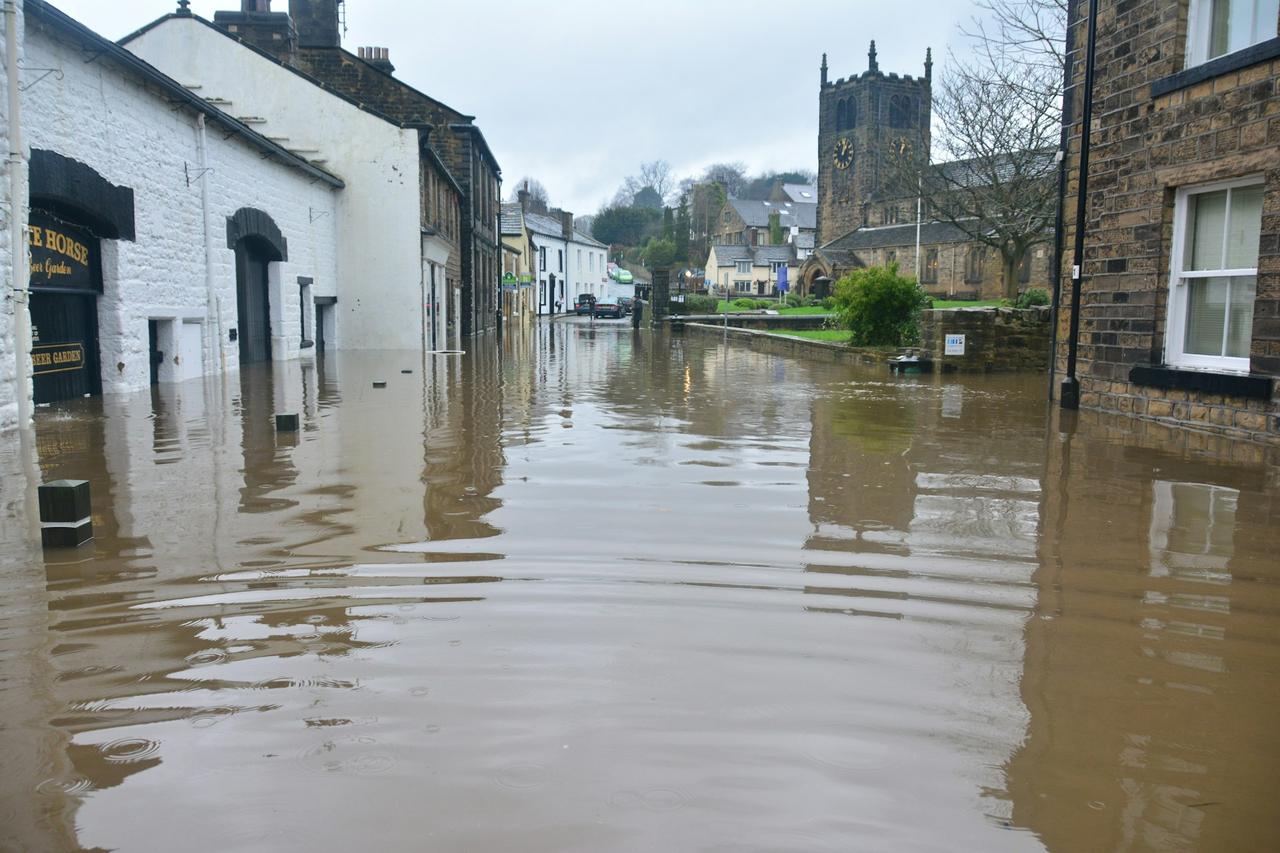
Climate, cyber, and systemic shocks are producing losses with no historical precedent, and models trained on the past quietly break when the future stops resembling it. Pricing these risks is no longer a purely actuarial exercise. It takes people who can reason under deep uncertainty, weigh incomplete signals, and make a defensible call where the data runs out.
Instant Insurance, Human Trust
Customers now expect a quote in seconds and a claim settled by app, and insurtech has made digital speed the baseline. But insurance is still bought on trust and proven at the moment of loss. The advantage goes to teams who can pair automation with judgment and genuine care, so the fast experience still feels like a human has your back.
The Experts Are Retiring
Decades of underwriting and actuarial judgment are walking out the door as the workforce ages, and that instinct is far harder to replace than the headcount. You cannot simply document your way out of it. The edge belongs to insurers who can develop adaptive risk thinking in the next generation quickly, rather than hoping the old playbook still applies.
The Capabilities That Matter Most
From the 12 future-readiness capabilities we measure, these are the ones most critical for insurance teams navigating what comes next.
 Dynamic Adaptability
Inquiring Mind
The drive to question, investigate, and understand how things actually work. Individuals with inquiring minds have an insatiable appetite for knowledge and approach problems with an open, analytical mindset. When information is everywhere, an inquiring mind separates those who accept the surface from those who find the signal. High scorers ask challenging questions that expose hidden assumptions. Low scorers may rely on established patterns without testing whether they still hold.
 Dynamic Adaptability
Adaptive Digital Learning
An approach to personal and professional development that places strong emphasis on building, sharpening, and applying skills. It combines a growth mindset (the belief that abilities can be developed through effort and perseverance) with learning agility, the ability to rapidly adapt to new situations and roles. High scorers create their own development paths and integrate learning into daily work. Low scorers may depend on structured training and feel adrift when formal programmes are unavailable.
 Dynamic Adaptability
Embracing Uncertainty
The willingness to accept, embrace, and work through situations where outcomes are unpredictable or unknown. It involves facing ambiguity, change, and risk with resilience and adaptability. Most significant workplace decisions now involve genuine ambiguity. High scorers make considered moves under uncertainty without being paralysed by the need for certainty. Low scorers may stall, escalate unnecessarily, or default to familiar approaches precisely when fresh thinking is most needed.
 Strategic Problem Solving
Contextual Intelligence
The ability to comprehend, interpret, and respond effectively to the specific circumstances surrounding a situation. Individuals with high contextual intelligence adapt their actions, communication, and problem-solving strategies to fit the unique context they find themselves in. High scorers read situations quickly and adjust their approach accordingly. Low scorers may apply a one-size-fits-all strategy regardless of environment, leading to misaligned decisions and disengaged teams.
 Strategic Problem Solving
Dynamic Resourcefulness
The ability to adapt quickly and effectively to changing circumstances while creatively utilising available resources to overcome challenges. It combines adaptability (the flexibility to evolve in response to new environments) with resourcefulness, the ability to find practical solutions with limited or unconventional means. High scorers think on their feet, improvise when needed, and stay on track toward goals. Low scorers may freeze when plans break down or wait for ideal conditions that never arrive.
 Agile Collaboration
Relational Influence
The ability to impact others' thoughts, behaviours, or decisions through the power of interpersonal relationships, trust, and credibility. It combines connectedness (deep self-awareness and meaningful relationships) with the art of persuading and guiding others without formal authority. High scorers build rapport naturally, frame proposals in terms of others' interests, and create momentum through trust rather than title. Low scorers may rely on authority structures or struggle to gain traction when they cannot simply direct.
in insured catastrophe losses every year for five years running, as climate and new perils reprice risk faster than the old models can keep up
— Swiss Re Institute
Future-Readiness Across Every Sector
Build the Judgment Behind the Numbers
Start with your own assessment, or explore how organisations use Tomorrows Compass to build future-ready teams at scale.