Bold Used to Be Enough. Now It's the Baseline.
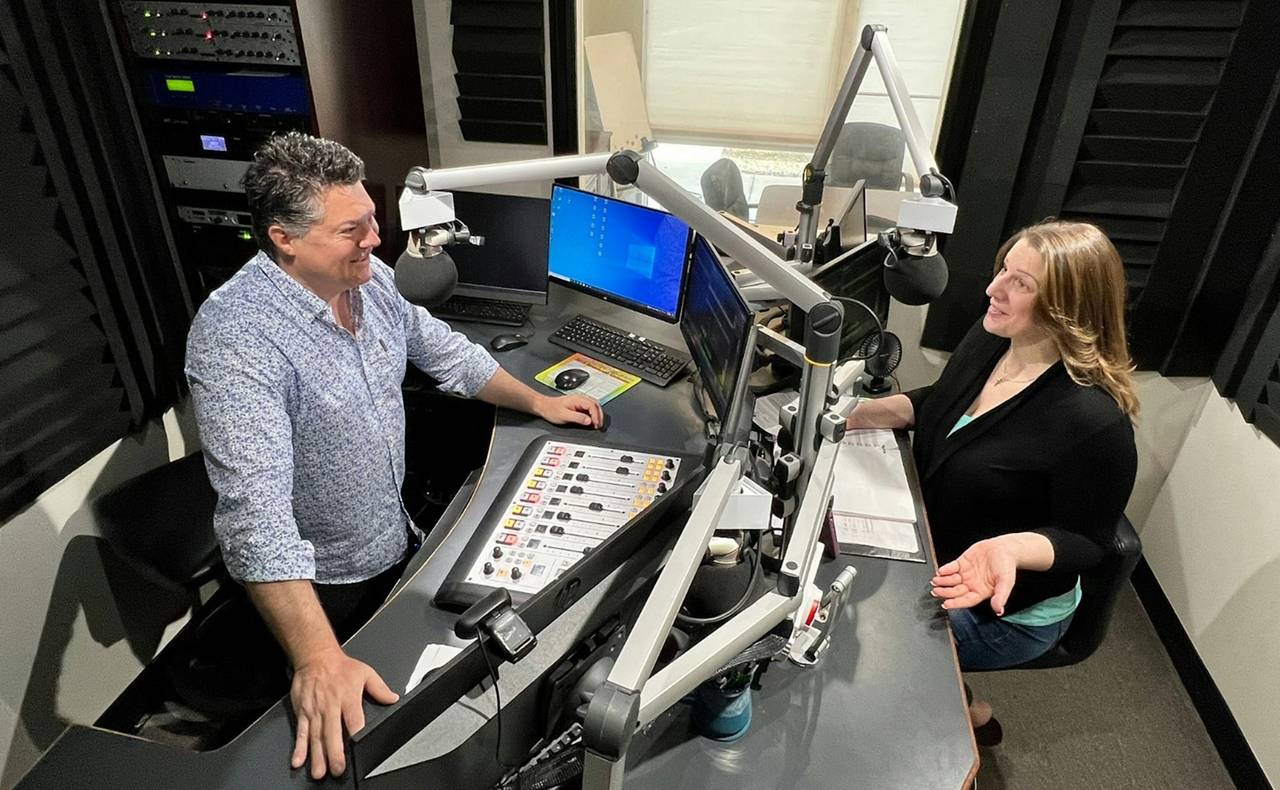
Generative AI writes the copy, fills the airwaves, and dresses the billboard, and programmatic places it anywhere in seconds. When anyone can produce a bold campaign, bold stops being a differentiator and becomes the price of entry. The media organisations that win will be the ones whose people can read a fragmented audience, judge what truly resonates, and reinvent the format faster than the tools commoditise it.
Why Future-Readiness Matters Here
Generative AI Floods Content
Generative AI now produces copy, voiceovers, and ad creative faster than any team could brief them, and the cost of making something has collapsed toward zero. When everyone can flood every channel, volume stops being an advantage. The teams that win will be the ones whose people bring the originality, editorial judgment, and brand taste that audiences actually trust and remember.
Audiences Fragmented
Attention is splintered across streaming, social, podcasts, and a dozen screens, and the mass audience that built radio, print, and broadcast no longer gathers in one place. Reaching people is now a moving target, not a media plan you set and forget. The advantage belongs to teams who can sense where attention is shifting and follow it faster than the audience moves on.
Everything Goes Programmatic
Out-of-home, audio, and ad buying have gone automated and data-driven, with algorithms placing messages in real time across screens and stations. The platforms are now table stakes, everyone has the same ones. The edge is people who can turn that data and automation into creative and commercial judgment, deciding what to say and where it will actually land.
Reinventing the Format
Radio is becoming on-demand audio, print is becoming digital subscriptions, and the thirty-second spot is becoming something no one has named yet. Every legacy format is being rebuilt while it still has to pay the bills. Teams need people who can reinvent the product and the revenue model at the same time, without losing the audience they already have.
The Capabilities That Matter Most
From the 12 future-readiness capabilities we measure, these are the ones most critical for media & entertainment teams navigating what comes next.
 Dynamic Adaptability
Inquiring Mind
The drive to question, investigate, and understand how things actually work. Individuals with inquiring minds have an insatiable appetite for knowledge and approach problems with an open, analytical mindset. When information is everywhere, an inquiring mind separates those who accept the surface from those who find the signal. High scorers ask challenging questions that expose hidden assumptions. Low scorers may rely on established patterns without testing whether they still hold.
 Dynamic Adaptability
Adaptive Digital Learning
An approach to personal and professional development that places strong emphasis on building, sharpening, and applying skills. It combines a growth mindset (the belief that abilities can be developed through effort and perseverance) with learning agility, the ability to rapidly adapt to new situations and roles. High scorers create their own development paths and integrate learning into daily work. Low scorers may depend on structured training and feel adrift when formal programmes are unavailable.
 Strategic Problem Solving
Contextual Intelligence
The ability to comprehend, interpret, and respond effectively to the specific circumstances surrounding a situation. Individuals with high contextual intelligence adapt their actions, communication, and problem-solving strategies to fit the unique context they find themselves in. High scorers read situations quickly and adjust their approach accordingly. Low scorers may apply a one-size-fits-all strategy regardless of environment, leading to misaligned decisions and disengaged teams.
 Strategic Problem Solving
Design Thinking
A problem-solving methodology that places strong emphasis on empathy, creativity, and iterative processes. It involves understanding the needs and perspectives of end-users, brainstorming creative solutions, and continuously refining ideas through prototyping and testing. High scorers ideate innovative and viable solutions by reframing problems from the user's perspective. Low scorers may jump to solutions without deeply understanding the problem or the people affected by it.
 Agile Collaboration
Change Agility
The ability to adapt quickly and effectively to shifts, disruptions, or uncertainties, whether in personal or professional contexts. Change-agile individuals are open to change, resilient in the face of unexpected challenges, and proactive in seeking opportunities for growth amid disruption. High scorers adjust their strategies, behaviours, and mindsets to move through transitions and seize new possibilities. Low scorers resist change, cling to established routines, and struggle when familiar structures disappear.
 Agile Collaboration
Relational Influence
The ability to impact others' thoughts, behaviours, or decisions through the power of interpersonal relationships, trust, and credibility. It combines connectedness (deep self-awareness and meaningful relationships) with the art of persuading and guiding others without formal authority. High scorers build rapport naturally, frame proposals in terms of others' interests, and create momentum through trust rather than title. Low scorers may rely on authority structures or struggle to gain traction when they cannot simply direct.

in global ad spend in 2024, the first trillion-dollar year, making bold budgets the baseline and the people behind the work the difference
— WARC
Future-Readiness Across Every Sector
Build the Team That Cuts Through
Start with your own assessment, or explore how organisations use Tomorrows Compass to build future-ready teams at scale.