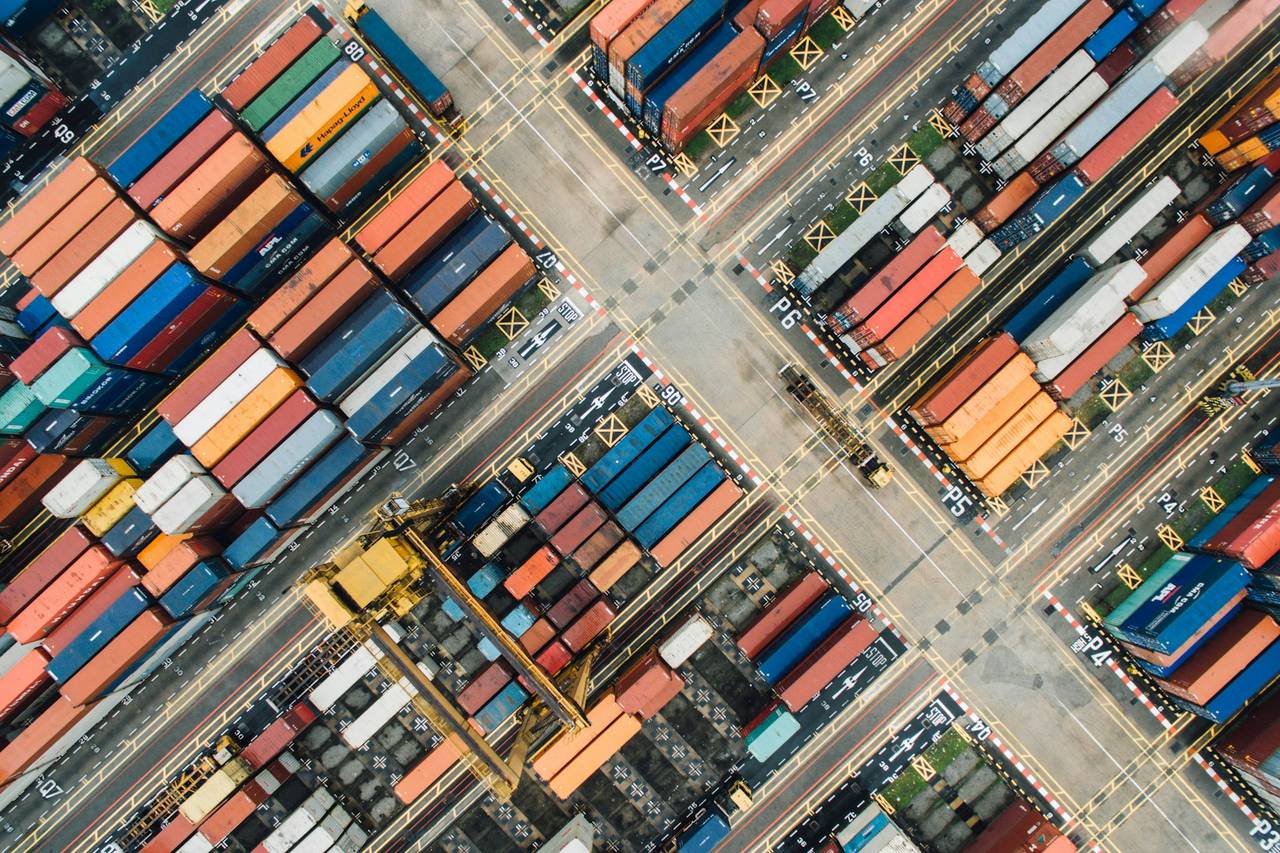
Automation Moves the Boxes. People Move the Business.
Robotics fill the warehouse, control towers track every pallet, and AI reroutes freight in real time. The hard part is no longer moving goods, it is moving fast when the plan falls apart. The operators that win will be the ones whose people can read a disruption early, improvise a workaround, and keep the network flowing when the playbook runs out.
Why Future-Readiness Matters Here
The Automated Warehouse
Autonomous robots, automated sortation, and goods-to-person systems now handle the picking, packing, and moving that used to define warehouse work. The repetitive tasks are being engineered away. What remains is the harder part: orchestrating the exceptions, troubleshooting when the system stalls, and making the judgment calls a machine cannot, which is exactly where your people now add their value.
Permanent Disruption
Port closures, demand swings, extreme weather, and geopolitical shocks no longer arrive one at a time, and supply chains no longer return to a steady state between them. Resilience is not a better forecast, it is a workforce that can re-plan on the fly. The advantage goes to teams who stay clear-headed in ambiguity and rebuild the route while the disruption is still unfolding.
The Last-Mile Squeeze
Customers now expect same-day delivery and minute-by-minute visibility, and they judge your brand on the final mile rather than the thousand before it. Meeting that bar is not a software problem alone. It takes people who can redesign fulfilment on the fly, weigh cost against promise in the moment, and turn a delivery exception into a kept commitment.
From Tracking to Predicting
Control towers and AI now surface more signal than any team can watch, flagging risks long before they become delays. The edge is no longer having the data, it is acting on it under uncertainty. The teams that thrive will be those who can interpret an incomplete picture, decide before the disruption lands, and trust their judgment when the dashboard only tells half the story.
The Capabilities That Matter Most
From the 12 future-readiness capabilities we measure, these are the ones most critical for logistics teams navigating what comes next.
 Dynamic Adaptability
Adaptive Digital Learning
An approach to personal and professional development that places strong emphasis on building, sharpening, and applying skills. It combines a growth mindset (the belief that abilities can be developed through effort and perseverance) with learning agility, the ability to rapidly adapt to new situations and roles. High scorers create their own development paths and integrate learning into daily work. Low scorers may depend on structured training and feel adrift when formal programmes are unavailable.
 Dynamic Adaptability
Embracing Uncertainty
The willingness to accept, embrace, and work through situations where outcomes are unpredictable or unknown. It involves facing ambiguity, change, and risk with resilience and adaptability. Most significant workplace decisions now involve genuine ambiguity. High scorers make considered moves under uncertainty without being paralysed by the need for certainty. Low scorers may stall, escalate unnecessarily, or default to familiar approaches precisely when fresh thinking is most needed.
 Strategic Problem Solving
Contextual Intelligence
The ability to comprehend, interpret, and respond effectively to the specific circumstances surrounding a situation. Individuals with high contextual intelligence adapt their actions, communication, and problem-solving strategies to fit the unique context they find themselves in. High scorers read situations quickly and adjust their approach accordingly. Low scorers may apply a one-size-fits-all strategy regardless of environment, leading to misaligned decisions and disengaged teams.
 Strategic Problem Solving
Dynamic Resourcefulness
The ability to adapt quickly and effectively to changing circumstances while creatively utilising available resources to overcome challenges. It combines adaptability (the flexibility to evolve in response to new environments) with resourcefulness, the ability to find practical solutions with limited or unconventional means. High scorers think on their feet, improvise when needed, and stay on track toward goals. Low scorers may freeze when plans break down or wait for ideal conditions that never arrive.
 Agile Collaboration
Change Agility
The ability to adapt quickly and effectively to shifts, disruptions, or uncertainties, whether in personal or professional contexts. Change-agile individuals are open to change, resilient in the face of unexpected challenges, and proactive in seeking opportunities for growth amid disruption. High scorers adjust their strategies, behaviours, and mindsets to move through transitions and seize new possibilities. Low scorers resist change, cling to established routines, and struggle when familiar structures disappear.
Cross Cultural Collaboration
The practice of working effectively with individuals or groups from diverse cultural backgrounds. It involves understanding and respecting different cultural norms, values, communication styles, and perspectives. Diverse teams and global partnerships are now the norm. High scorers bridge cultural gaps with empathy and open-mindedness to achieve collective success. Low scorers may project their own cultural framework onto others, creating friction they don't recognise.
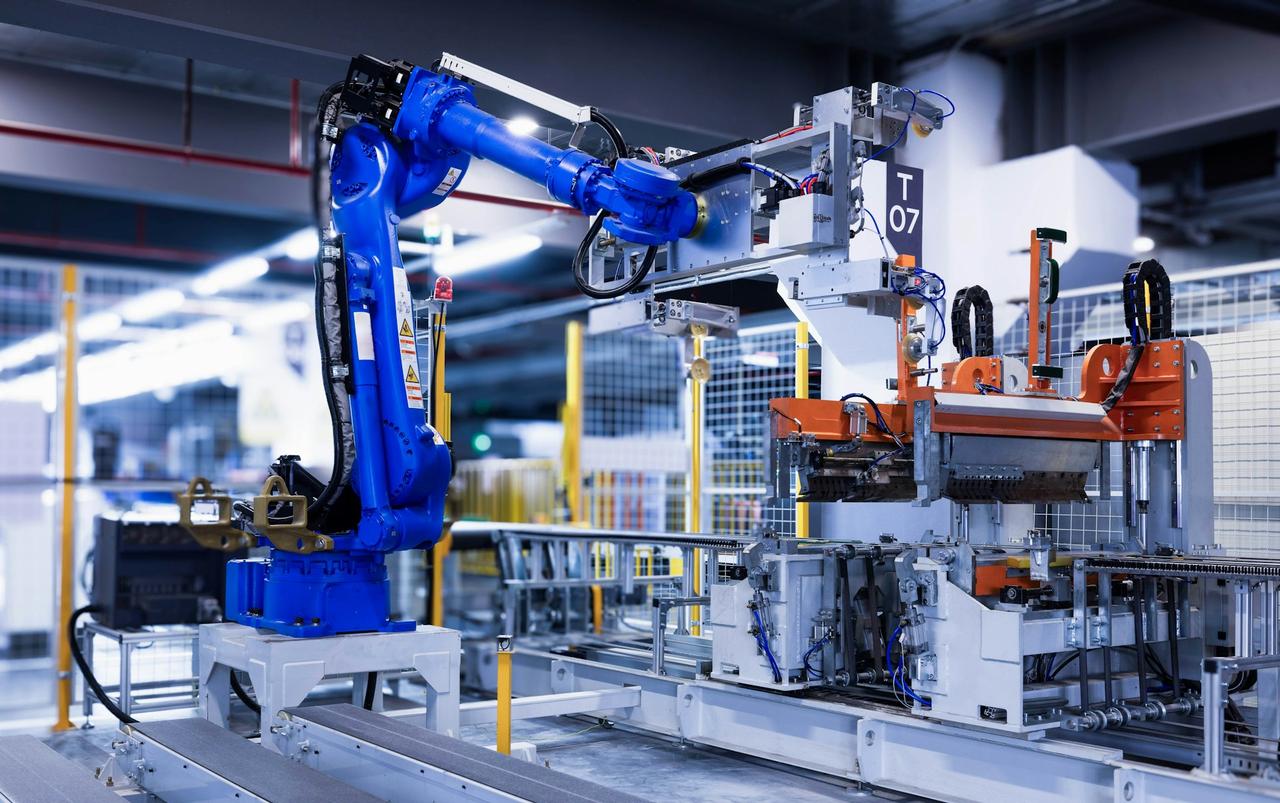
commercial robots will be working across more than 50,000 warehouses worldwide, putting the premium on the people who can work alongside them
— ABI Research
Future-Readiness Across Every Sector
Build the Workforce That Keeps Freight Moving
Start with your own assessment, or explore how organisations use Tomorrows Compass to build future-ready teams at scale.